
Posted by Noah & Hannah | White Owl Contracting | Waukesha County
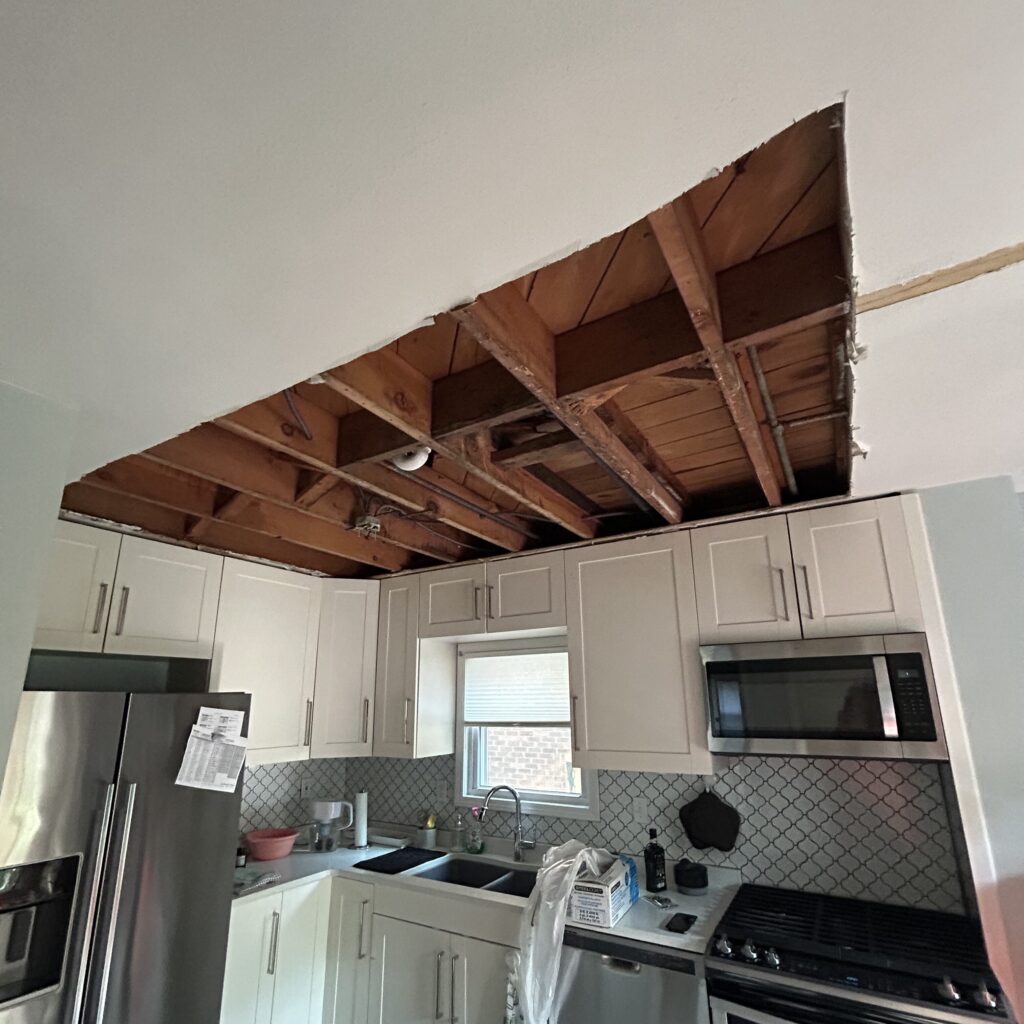
When water damage or a flood hits a home, the first step is usually mitigation. A company like Servpro comes in, dries everything out, removes wet materials, and sets up equipment to prevent mold. That emergency phase is essential, and once they’re done the house is safe from immediate further problems.But that’s only half the story. The rebuild phase—putting the home back together—is what gets it looking and feeling normal again, and it’s a very different process.Here’s a straightforward look at what typically happens during the post-mitigation rebuild stage after the initial drying and demo are complete.
The Rebuild Process – Step by Step
- Final Cleaning & Final Photos
Once everything is finished, the space gets a thorough cleaning to remove dust and debris from the work. Final photos are taken to document the completed job for insurance and to show the full transformation from start to finish. These photos are just as important as the early ones—they provide clear proof of the restored condition. - Initial Walkthrough & Inspection
The space is carefully checked. Moisture levels are verified to confirm everything is truly dry, any remaining issues are noted, and the insurance scope of work is reviewed. This is also when you meet with the customer to go over the plan, discuss any additional work or changes, and take plenty of photos. Good documentation photos at this stage are critical—they help with insurance approvals and protect everyone if questions come up later. - Paperwork & Approval
All the details from the walkthrough are compiled and submitted to the insurance company for final approval. Once cleared, a start date is set and the actual rebuild begins. - Prep & Containment
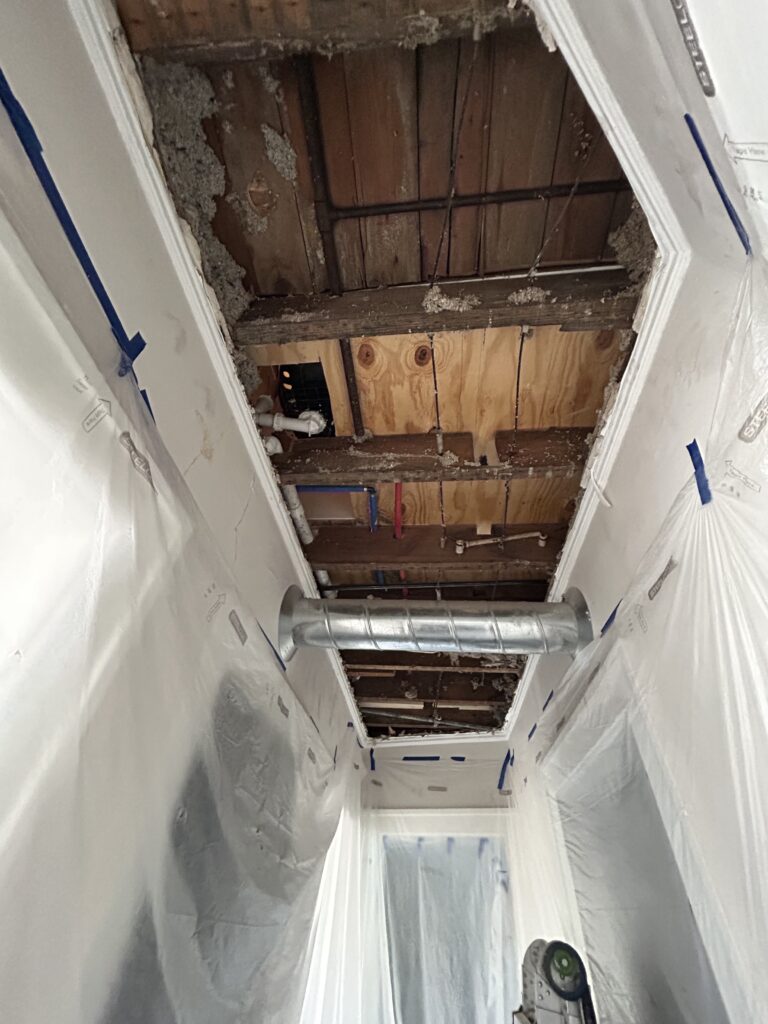
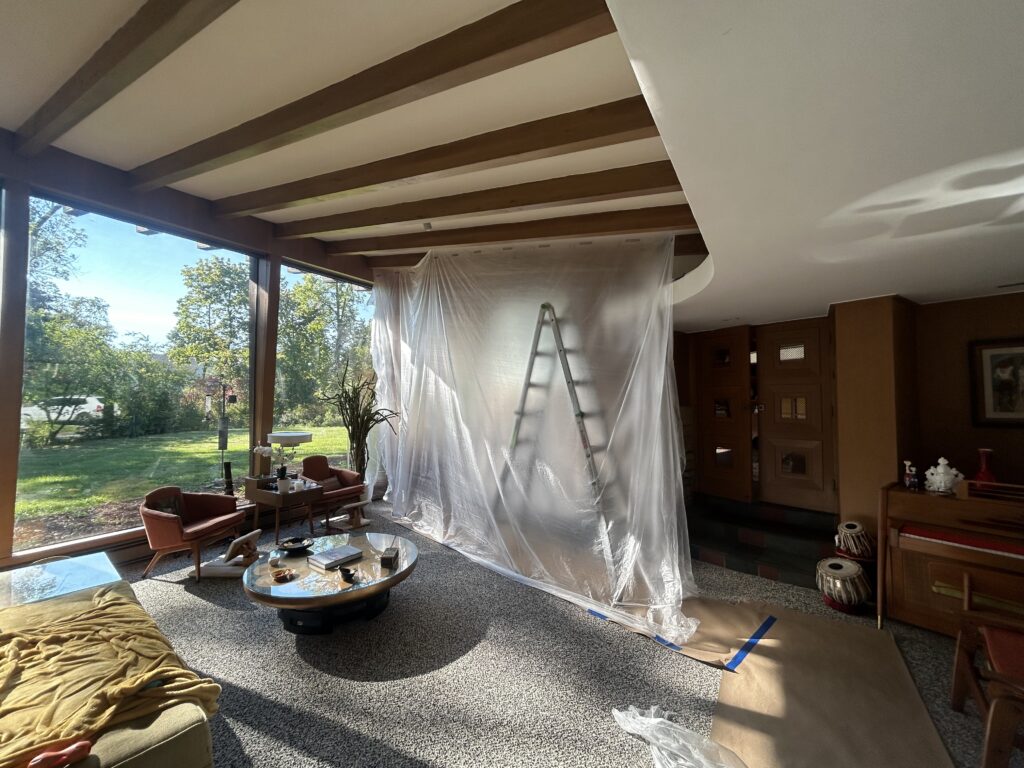
Before any new work starts, the area is set up for containment. Dust barriers, plastic sheeting, and floor protection are put in place to keep the rest of the home clean and safe. This step is important because drywall dust, paint fumes, and debris can spread quickly otherwise, especially in occupied homes. - Starting from the Studs Outward
With demo already completed during mitigation, the rebuild starts with the basics. Electrical and plumbing (handled by licensed professionals) are addressed first if needed. Then new drywall is hung and finished, textures are matched to the existing walls, painting is completed, cabinets and trim are installed, and other finishes are done. Flooring is typically the last step so it stays clean and undamaged during the earlier work. - Additional Work Opportunities
Many homeowners choose to have some extra work done while the space is already opened up and professionals are on site. It’s often a perfect time—new paint colors for the whole room, updated cabinets (if matching isn’t required), extra trim details, or small upgrades like new lighting or fixtures. Since the main rebuild is usually covered by insurance, adding a few out-of-pocket items can be more affordable than doing them separately later, and the overall disruption is much less.
What Homeowners Should Know
The rebuild phase often takes longer than people expect because it involves ordering materials, coordinating inspections, matching existing finishes (like wall texture or cabinet styles), and making sure everything is done right. It’s not a quick patch job — it’s about returning the home to its pre-loss condition.
Ready When You Are
If you’re past the mitigation stage, waiting on insurance approval, or just thinking about a kitchen remodel or other update, we’re happy to talk. We’re a small local couple, we keep things simple, and we’re here to help get your home back to normal.
Free quote, no pressure—just reach out.—Noah & Hannah
White Owl Contracting
Serving Waukesha County, Pewaukee, Brookfield, Delafield, Lake Country & nearby